In this Deep Dive, we explore simple maintenance tips, inspection checklists, and seasonal upkeep strategies to help your shed last longer and protect what’s inside.
Jacob: Welcome to the Deep Dive! Today, we’re taking a look at a guide all about metal shed maintenance.
Breanna: Yep—keeping that shed from turning into, well… a rusty heap.
Jacob: Exactly! Metal sheds are super popular—they’re durable, affordable, pretty easy to set up usually. But just, you know, putting one up isn’t really the end of the story, is it? We’ve got this guide here specifically on maintenance.
Breanna: Okay,
Jacob: So… what’s our goal with this Deep Dive?
Breanna: Well, our mission is really to pull out the most essential steps from this guide to help you keep your metal shed in really good shape—prevent damage, make it last longer.
Jacob: Protecting your stuff and your investment.
Breanna: It’s all about safeguarding what’s inside and the shed itself. Getting proactive.
Why Maintenance Matters
Jacob: Okay, let’s unpack this then. The guide kicks off explaining why maintenance is so important. It’s not just cosmetic.
Breanna: No, definitely not. It’s about preventing rust, which can lead to structural decay.
Jacob: Save money on repairs later too, I bet.
Breanna: Big time. And it protects whatever you’re storing inside, helps maintain property value.
Jacob: And makes sure the shed can actually, you know, stand up to bad weather.
Breanna: Precisely. The guide makes a strong point that neglecting even basic cleaning lets dirt and moisture just sit there.
Jacob: Creating the perfect conditions for rust.
Breanna: Yeah, and once rust starts, it just weakens the whole structure. Catching things early is absolutely critical, according to this.
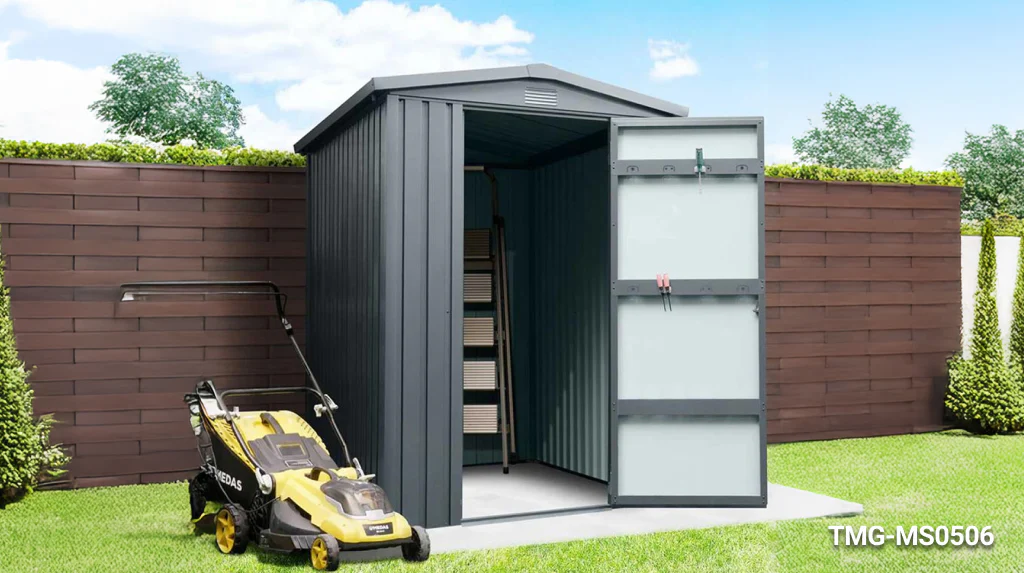
Routine Maintenance Tips
Jacob: So what are the sort of routine actions recommended? Daily cleaning?
Breanna: Well, regular cleaning, yeah. It mentions using just a mild detergent and a soft brush or sponge—
Jacob: And specifically warns against harsh chemicals or anything abrasive.
Breanna: Oh, absolutely. Big warning there. Says they can damage the protective coatings on the metal
🧲 Rust Watch
Jacob: Okay. And then there’s rust vigilance.
Breanna: Non-negotiable, essentially. Inspect those tricky spots—like joints, corners, around screws, edges.
Jacob: So when you find it, what’s the step?
Breanna: The guide recommends gently removing surface rust with fine-grit sandpaper or maybe a wire brush, then immediately prime it—use a rust-inhibiting primer, one specifically for metal.
Jacob: Why specifically for metal? Does it explain?
Breanna: Yeah, it says those contain compounds that, like, chemically react to stop the rust from spreading further.
Jacob: Gotcha. And crucially, after any cleaning—Drying!
Breanna: Thoroughly dry everything. And that ties into ventilation.
Jacob: Right. The guide stresses proper ventilation—maybe adding vents, small windows?
Breanna: Exactly. Reducing that internal moisture is key to stopping rust and corrosion from the inside.
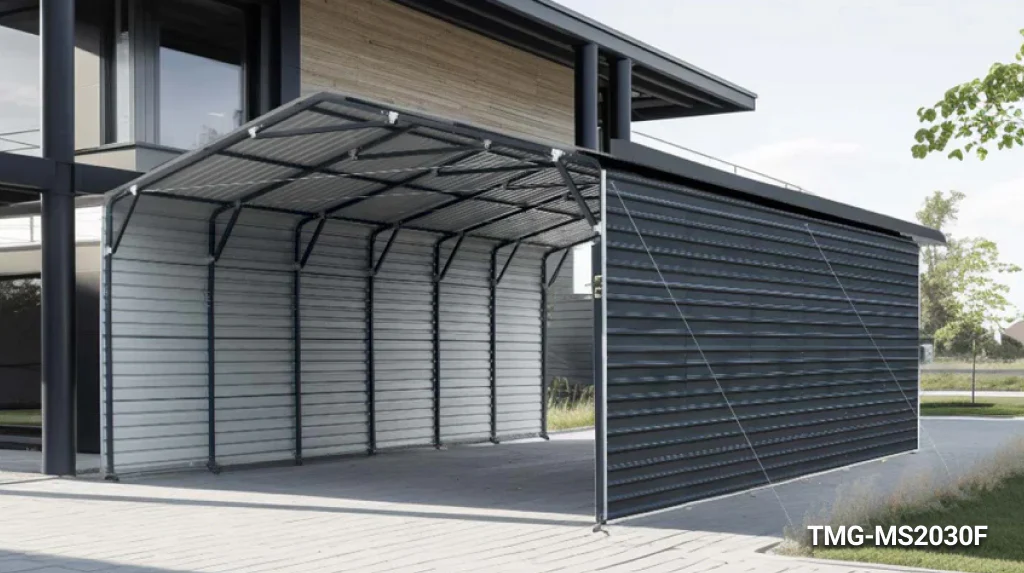
Internal Moisture = Hidden Rust
Jacob: And here’s where it got interesting for me—internal condensation. That moisture inside the shed…
Breanna: The silent killer, as they kind of put it.
Jacob: It can cause rust from the inside out, where you might not even see it until it’s pretty bad.
Breanna: Which really brings up the next big thing the guide emphasizes—regular inspection.
🧰 Inspection Routine
Jacob: Like, actually looking closely.
Breanna: Yeah. Are you checking all the fasteners—screws, bolts, hinges?
Jacob: Tighten loose ones, replace rusty ones.
Breanna: You got it. Because even one loose bolt can break a seal, let water sneak in.
Jacob: Makes sense. And check the panels themselves—walls.
Breanna: Look for dents, any looseness, signs of wear. And don’t forget the roof and gutters—clear out debris, look for rust spots or pooling water.
Jacob: And the foundation too. Checking for shifting or cracks.
Breanna: Absolutely critical. Keep it level and stable—otherwise, it puts stress on the whole structure.
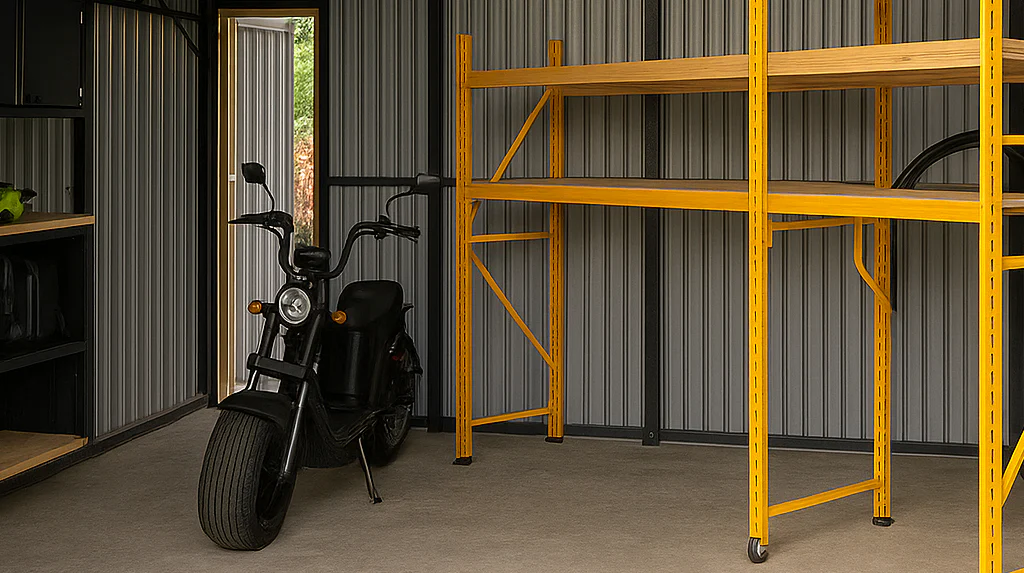
More Than Just Paint
Jacob: Okay, what about paint? More than just looks?
Breanna: Definitely. The guide frames paint as your main defense against rust. It details the prep work—sanding off rust and old paint, applying that rust-inhibiting primer (that prep work’s key again), then finish with a durable exterior metal paint.
Breanna: And importantly—touch up any chips or scratches fast.
Jacob: Before rust gets a chance to start.
Breanna: Exactly—don’t give it an opening.
🌦️ Maintenance by Season
Jacob: The source also mentions seasonal checks—like, different things to focus on during the year.
Breanna: Yeah, a kind of rhythm. Big checkup in spring after winter, watch for moisture and pests in summer.
Jacob: Seal gaps—And check weatherstripping in the fall for winter prep.
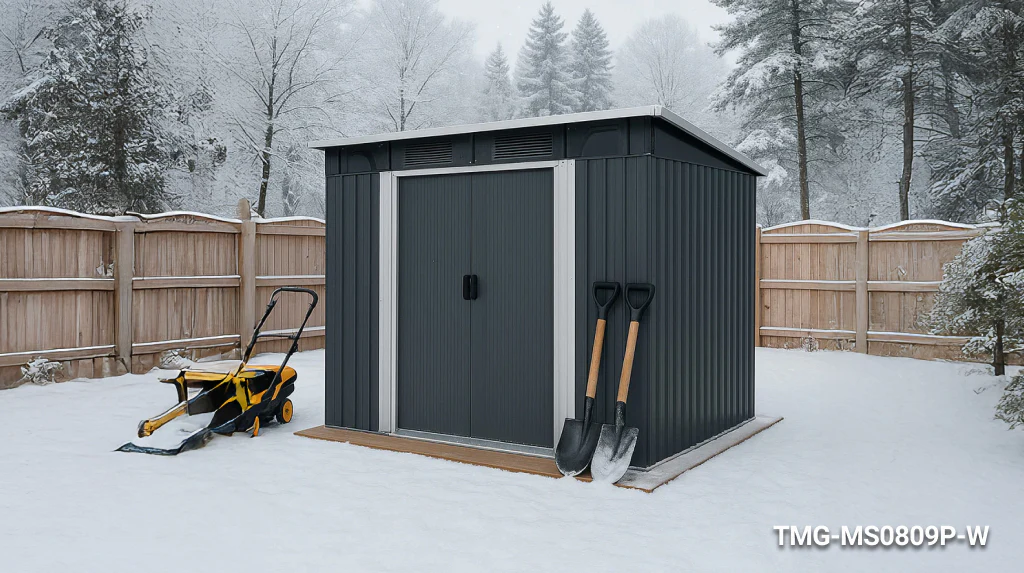
Breanna: Right. And then in winter, safely get heavy snow off the roof to avoid strain.
Enhanced Care Tips
Jacob: And for people who want to do, like, even more enhanced care, the guide throws out a few—upgrading to a sturdier foundation (maybe concrete), improving ventilation even more, like with windows or roof turbines.
Breanna: Yes—really tackle that internal moisture problem. Also, regularly checking and replacing weatherstripping around doors and windows—
Jacob: Keep out water and pests.
Breanna: And maybe even looking into specialized metal roof coatings for extra long-term protection.
✅ Final Takeaway
Jacob: So wrapping this up—what’s the main takeaway here?
Breanna: I think the core message from this guide is pretty clear: a little consistent effort goes a really long way.
Jacob: Regular cleaning, careful inspection, prompt touch-ups—
Breanna: That’s the recipe. It’s the difference between a shed lasting for years and years or, you know, becoming a problem pretty quickly.
Jacob: The guide gives you a clear roadmap. Basically, follow these steps.
Breanna: And your shed stays a functional asset—not something you regret buying.
Jacob: It really boils down to being proactive—not waiting for a problem.
Breanna: Exactly. Which kind of leaves us with a final thought for you, the listener:
Considering where your shed is, what you keep inside it, maybe the local weather challenges—which of these maintenance steps feels like the most critical one for your specific situation right now?
Jacob: Definitely something to think about. Thanks for joining us for this Deep Dive!