In this expert-led conversation, Jacob and Breanna break down everything you need to know about metal sheds—from frame types and panel thickness to roof styles, sizing, and customization. It’s a practical, jargon-free guide to help you make the right investment.
Breanna: Okay, let’s unpack this. When you think about a shed, it’s often far more than just, you know, a place to stash tools. It’s really an investment—maybe a dedicated workshop or, these days, even an outdoor office. So today, we’re taking a deep dive—specifically into metal sheds.
Jacob: Our mission here is really to cut through all the jargon, the details about materials, design, durability—all based on our source material. We want to make sure you walk away with the practical knowledge you need to make a really informed choice, avoid those common mistakes, and get a shed that actually fits what you need it for.
Breanna: Sounds good. So let’s start with the absolute backbone: the frame. This isn’t just about holding the walls up, is it? It really dictates stability, how easy it is to put together, the overall strength—it feels pretty foundational.
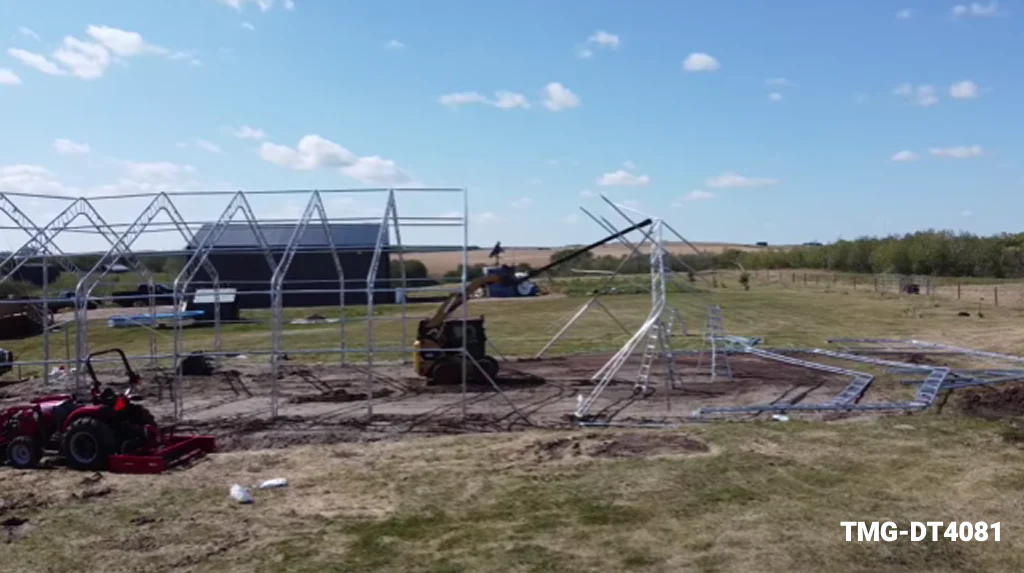
Jacob: Oh, absolutely foundational. Our sources point to a few main types. First, you’ve got square tubing—think super strong, really rigid. It’s kind of the go-to for heavy-duty industrial uses, maybe storing machinery. But you have to be prepared—it’s heavier, definitely pricier, and often needs specialized installation.
Breanna: Okay, so that’s the top tier for strength. What else is common?
Jacob: Right, then there’s channel steel. You get that sort of U-shape profile. It strikes a pretty good balance—strength, a bit of flexibility, more affordable. And that open U-shape actually makes things like running wiring inside a bit easier. But here’s a key thing—a real insight from the sources—that open shape can trap moisture. So you absolutely need good rust protection. It can corrode from the inside out if you’re not careful.
Breanna: Ah, that’s a really good heads-up. So if you’re in, say, a really humid place or near the coast, what’s the best bet for fighting rust?
Jacob: Right—that’s where galvanized pipes really come into their own. Excellent corrosion resistance, so yeah, perfect for those humid or coastal spots. A lot of DIY folks like them too—they’re fairly lightweight, good for smaller garden sheds. But there’s always a trade-off, isn’t there? Their flexibility means they might not be strong enough if you decide later you want to store heavier things or expand—needs change.
Breanna: And the last one?
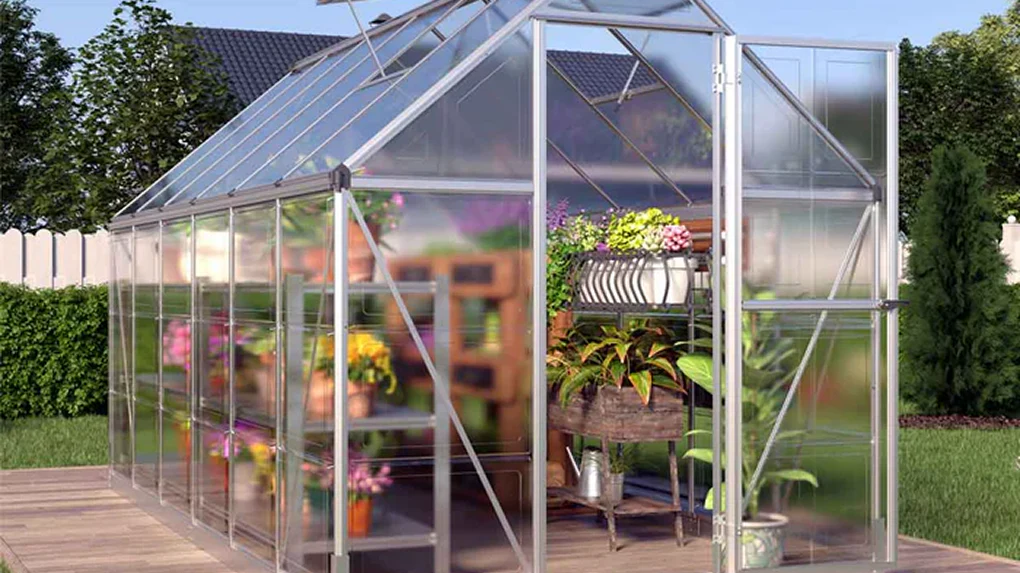
Jacob: Aluminum frames. They’re the lightest, often the most cost-effective up front. Great corrosion resistance, good for small basic garden sheds. But I mean, let’s be honest—they just don’t have the structural muscle for anything big or heavy-duty.
Breanna: Okay, frame sorted. Let’s move to the skin—the panels. We hear about thickness or gauge. What’s the deal there? It seems a bit confusing sometimes—
Jacob: It can be. The key thing to remember with gauge is: a lower number means thicker metal. Counterintuitive, I know. Our sources highlight three main thicknesses. You’ll run into 0.3 millimeter steel sheets—these are your budget option for very basic, maybe temporary storage. But honestly, often a false economy. You might end up needing to reinforce them or replace the shed sooner than you think.
Breanna: Right, you get what you pay for sometimes.
Jacob: Exactly. Moving up, you have 0.4 millimeter steel sheets. This is sort of the versatile middle ground—good balance of durability and cost for most home use, maybe some light commercial stuff. Then for maximum durability—think really tough weather, high-impact risk, heavy snow—you want 0.5 millimeter steel sheets. It’s the thickest standard option. Costs more initially, yes, but you’ll likely save on maintenance, and it’ll just last longer. Offers real resilience.

Breanna: And thickness isn’t the whole story for panels, right? What about coatings?
Jacob: Good point. You generally choose between painted panels—great for color options, that aesthetic flexibility—but they do need upkeep, touch-ups over time. Or galvanized panels—they might look more industrial, but they’re super corrosion resistant. Ideal for those wet or coastal areas we mentioned. Often saves money long-term. Oh, and crucially—whatever panels you choose, proper anchoring is non-negotiable, especially for wind. Don’t skimp on that.
Breanna: Makes sense. Okay, let’s look up the roof. It’s not just a lid, is it? It affects space inside, airflow, the look.
Jacob: Totally. The main styles you’ll see are single-slope roofs—economical, good water runoff. But they can limit your vertical storage space inside. You might find your taller tools don’t quite fit upright, which can be frustrating.
Breanna: Yeah, I can see that being annoying.
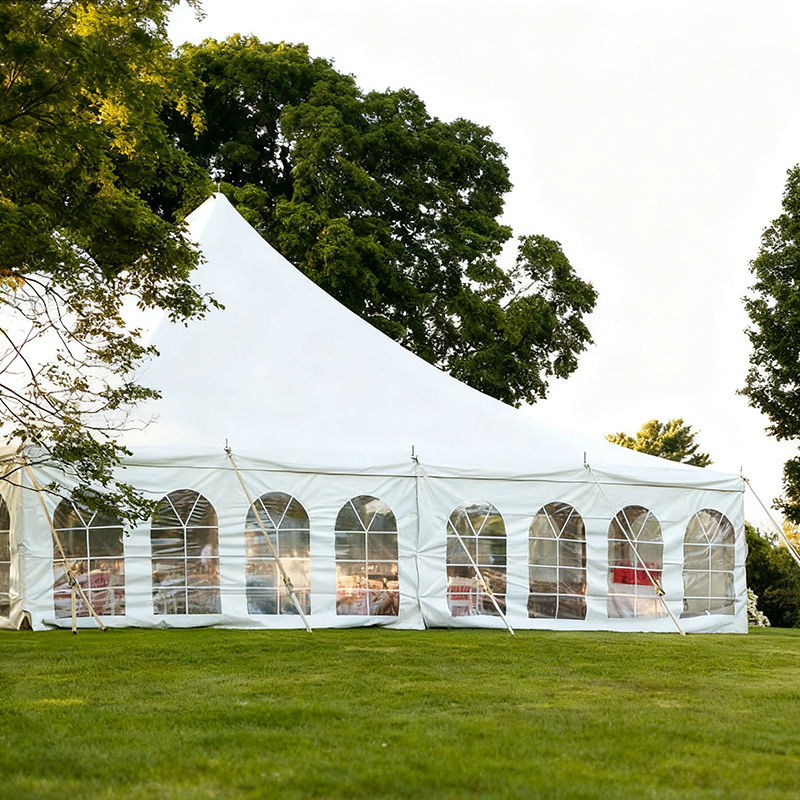
Jacob: And the classic gable roof—that triangular shape—very popular. Offers good stability, better headroom usually, and helps with ventilation. And for really harsh conditions, there’s the arch roof—designed specifically to handle heavy snow and wind. Loads really well by distributing the weight. But insulation is usually more specialized.
Breanna: Alright, shifting to something super practical—size. Getting this right seems crucial. We’ve all been there, haven’t we? Trying to cram everything into a shed that’s just too small. It’s not just about space—it’s about usability.
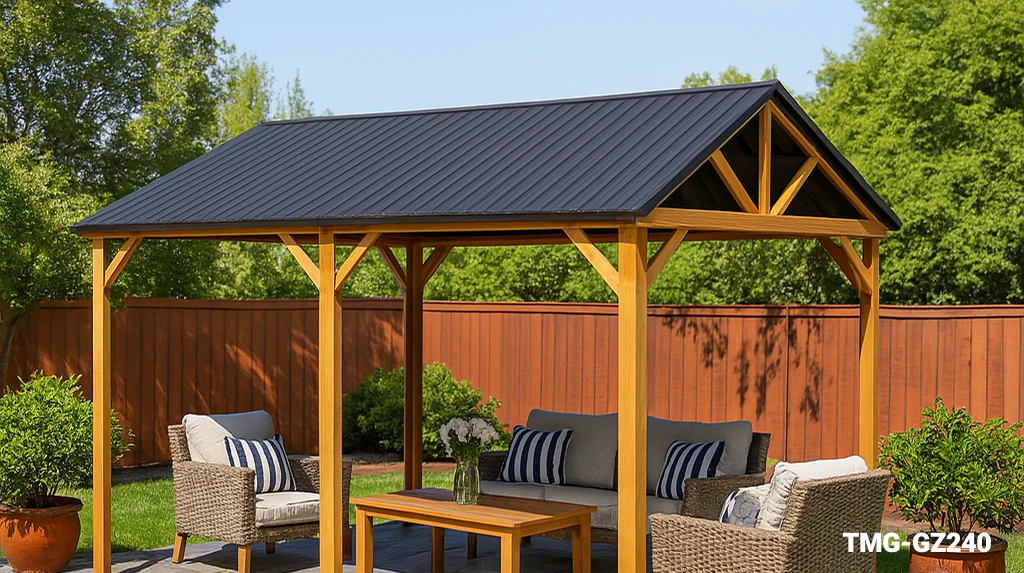
Jacob: You nailed it. Yeah, common sizes: an 8 by 10 shed—that’s 80 square feet. It’s kind of the standard for basic home and garden storage: tools, mower, bikes. But even then, you need to think about how you use that space—shelving, hooks—it makes a huge difference. Step up to a 12 by 16—that’s 192 square feet. Now you’re talking more versatility—bigger equipment, maybe a motorcycle, or even setting up a small workspace. And for serious storage—vehicles, heavy gear, a proper workshop—a 12 by 20 gives you 240 square feet. That’s pretty robust.
Breanna: And you can tweak these, right? Customize?
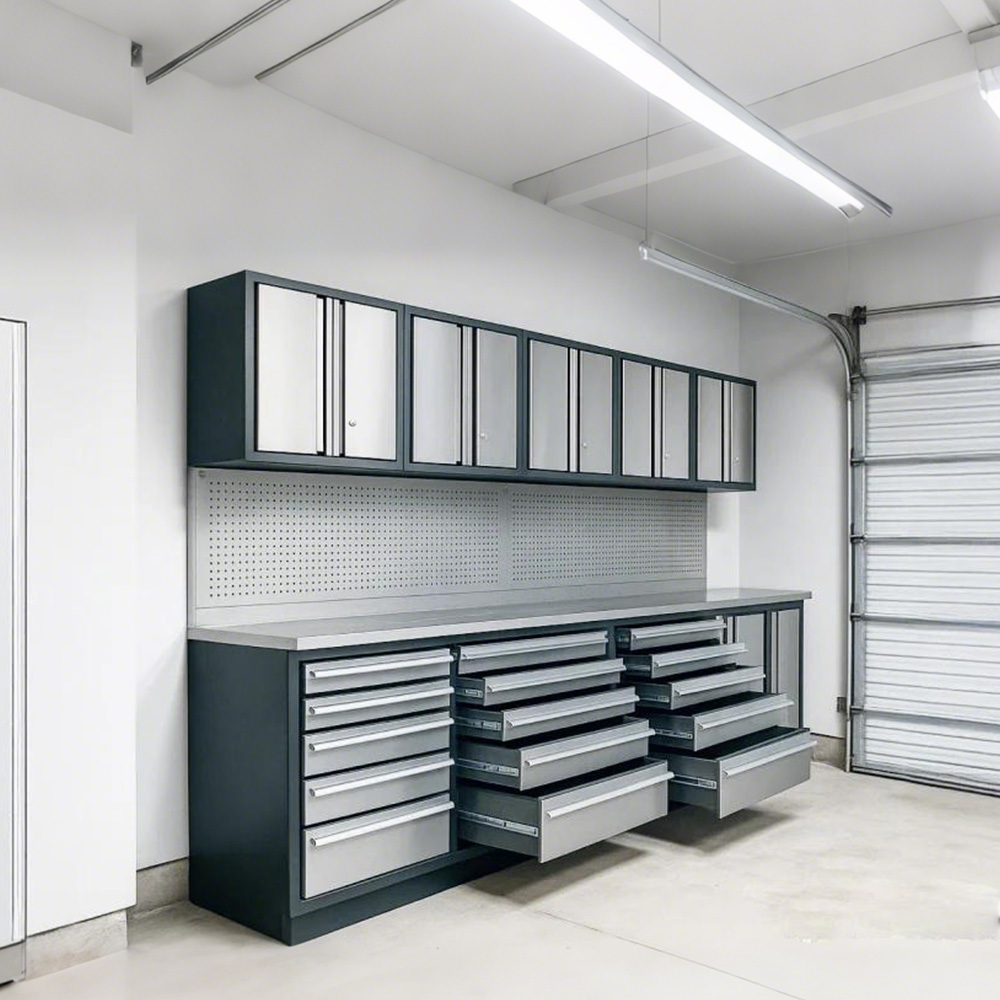
Jacob: Absolutely. Customization is where you really tailor it. Reinforced flooring if you’ve got heavy items, windows for light, insulation and ventilation if it’s a workspace, maybe adding electrical fittings—even a little patio area outside. Lots of possibilities.
Breanna: So bringing it all together—longevity. How do you make sure this investment lasts?
Jacob: Yeah, if we connect this to the bigger picture, it really is about investing smartly now to save hassle and money later. Durability is key. It starts with picking the right quality materials—frame, panels like we’ve discussed—but also precise site preparation is huge. Get the foundation level and stable. And honestly, professional installation often pays for itself by avoiding assembly mistakes that can cause structural issues later. And don’t forget maintenance—even with galvanized stuff, you’ve got to check for rust occasionally, keep it clean, maybe lubricate hinges, and ensure water drains away from the base. That prevents moisture creeping underneath—which is a silent killer for sheds.
Breanna: Okay, that’s a lot of ground covered. So what does this all mean for you, the listener? Our deep dive really shows that picking the right metal shed isn’t just grabbing the cheapest box—it’s a multi-faceted decision.
Jacob: Exactly. It directly impacts how long it lasts, how well it functions, and ultimately whether it saves you headaches—or causes them.
Breanna: But armed with this kind of knowledge, you can really sift through the options.
Jacob: Precisely. You can confidently choose a shed that doesn’t just meet your needs today, but one that offers great long-term performance and real value.
Breanna: So as you mull this over, here’s a final thought to ponder: given all these options—the materials, the designs, the ways you can customize them—what surprising new role could a metal shed play in your life? Maybe something beyond just storage.